Giving each peptide its own margin
I read peptide claims one name at a time. The shared label only gets us so far.
Sermorelin and the hormone-number leap
In a peptide, amino acids make a short strand; those units also go into proteins. Sermorelin nudges a small gland just below the brain—the pituitary—to send out growth hormone. It prompts a release; it isn't growth hormone itself.
A small, short study in older men raised growth-hormone levels and a related growth signal. That's a finding about hormone levels, not longer life. A review of use in children reported flushing of the face and injection-site pain. It doesn't settle long-term safety for adults seeking rejuvenation.
GHK-Cu and the change of route
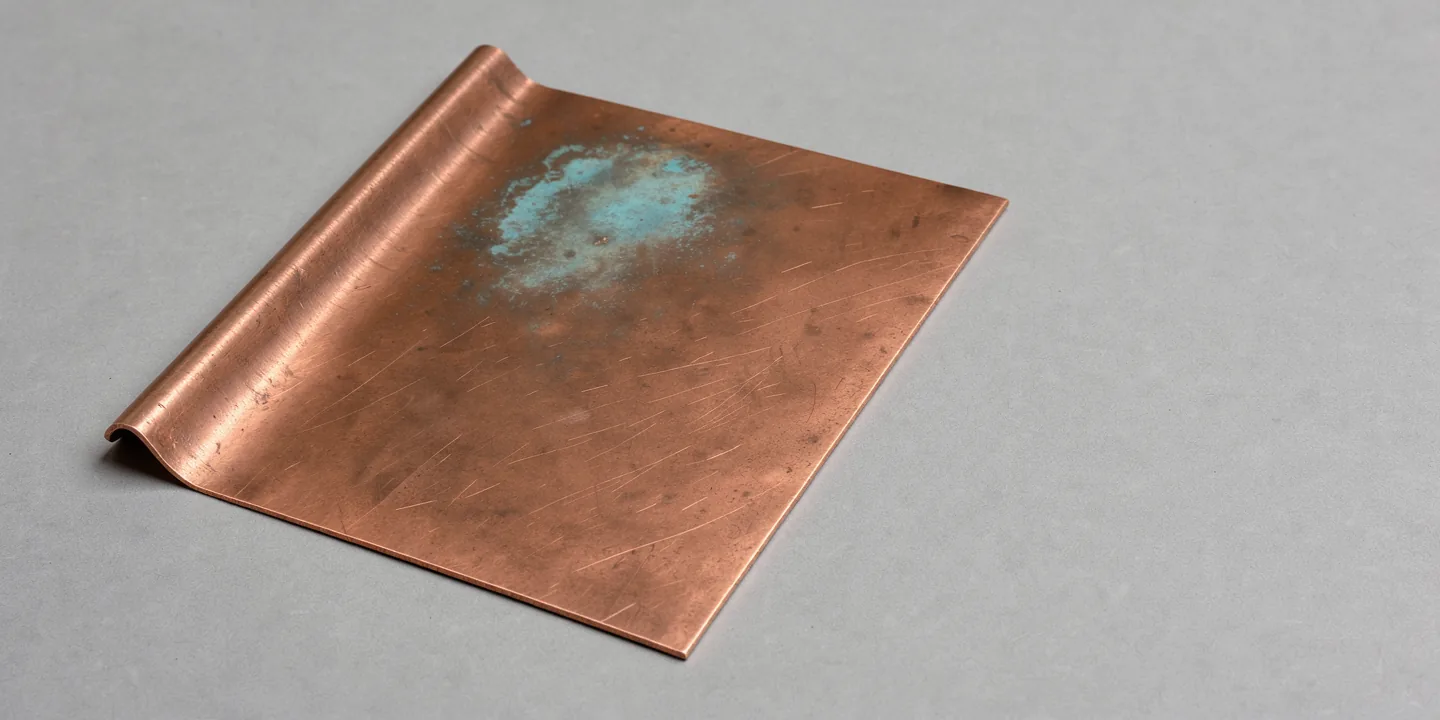
GHK-Cu is a peptide bound to copper. It increased collagen production in lab-grown skin cells; collagen is a protein that gives skin strength. I can see the appeal. A dish of cells still isn't someone's face.
Creams and injections need separate evidence. For injected GHK-Cu, FDA flags possible immune reactions from clumping or impurities and limited human safety data. A finding about skin biology can't make those concerns disappear.
Epitalon and the length-of-life claim
Telomeres are protective caps on chromosomes, the structures carrying genetic information. Epitalon lengthened them in lab-grown human cells. That doesn't show it extends people's lives.
FDA treats epitalon and epithalamin, an animal-gland extract, as different substances. Findings for one don't belong to the other. FDA found no human safety studies for epitalon and raised a theoretical cancer concern about telomere lengthening. That concern isn't evidence of cancer caused in people.
MOTS-c and ‘exercise without exercise’
A MOTS-c study improved physical performance in mice. Its human exercise measurements looked at the body's own MOTS-c, not the benefit of giving people the peptide. I wouldn't turn that into an exercise replacement.
FDA's 2026 review found no published human treatment studies and major safety gaps. As of September 2026, a trial listed on ClinicalTrials.gov was recruiting without posted results. A plan to study something isn't a result.
The list change isn't a green light
As of October 2026, FDA's page marked current April 22, 2026 lists injectable GHK-Cu, epitalon and MOTS-c as ‘nominated but withdrawn’. People had proposed these ingredients for pharmacy compounding, meaning medicines mixed to order, then withdrew those requests. FDA still lists its safety concerns.
A withdrawn request gives no permission to compound the ingredient and no FDA clearance. Compounded medicines are not FDA-approved. A licensed U.S. clinician can discuss established treatments for a health concern. ‘Still being studied’ leaves a question open; it doesn't mean ready for everyone.
Reading dated October 27, 2026. Sources and their limits.